
Carton Box Guide · Process

Carton Box Process: Joining & Printing Methods

Once a box is cut and formed, two more decisions shape its strength and look: how the sides are held together, and how the surface is printed.

Joining: Wire Stitching or Glue

The sides of a box are held together in one of two ways. Wire stitching punches through and locks the flaps with metal wire — the strongest option for large boxes, heavy loads, and double wall. Glue gives a smooth surface with no protruding wire — neater for boxes that are printed all over. The choice depends on the weight, the type of part, and whether the box needs to look clean.

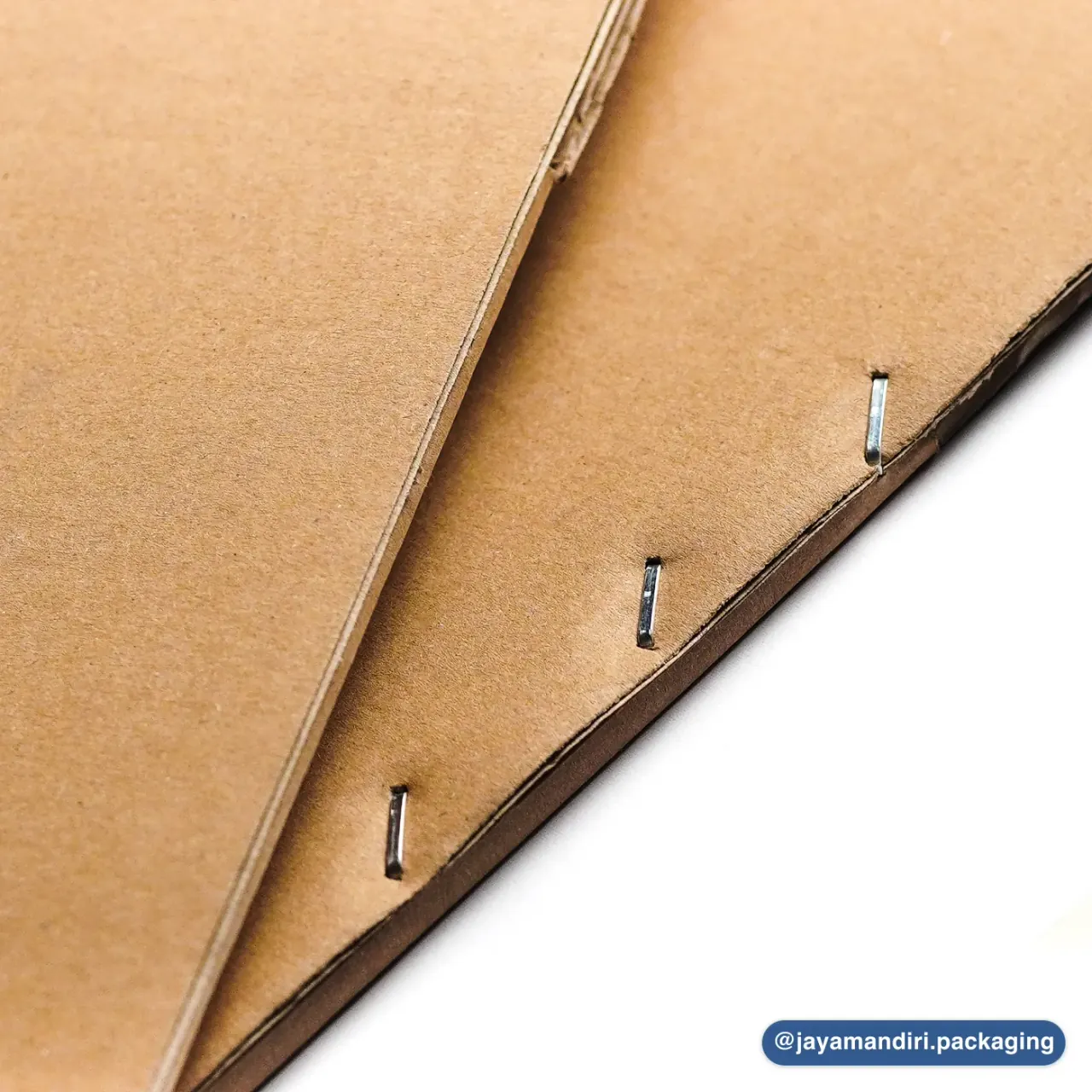
Detail of a wire-stitched joint on a JMP carton box. Metal wire holds the sides of the box together.
Wire stitching on a box joint — the choice for large boxes and heavy loads.

Printing Methods: Screen, Flexo, Digital

Three printing methods are common for corrugated board, each with a different character. None is "the best" — the right one depends on volume, design complexity, material type, and budget.

Screen printing

A traditional technique that uses a porous mesh (the screen) as the medium for transferring ink. A stencil is made on the screen, then ink is pushed through the open areas of the stencil with a squeegee — forming the design directly on the carton surface.

Strengths

  • Thick, solid colour
  • Flexible for complex designs
  • Economical at small to medium quantities

Weaknesses

  • Slower than the other methods
  • Labour-intensive, less efficient for mass production
  • Results can vary with the operator's skill
Flexography (flexo)

Uses a flexible plate made of rubber or photopolymer with a raised design. The plate transfers ink through a series of rollers, allowing fast printing on a range of materials, including corrugated board. At JMP, flexo runs up to 4 colours with a ceramic anilox + doctor blade.

Strengths

  • High speed, ideal for mass production
  • Low cost per unit at high volume
  • The choice for repeat orders such as automotive parts

Weaknesses

  • High upfront cost from plate making
  • Less sharp for very fine detail
  • Less economical at small quantities (significant setup)

Digital printing

A modern method that transfers a digital design straight to the carton surface with no printing plate. Design changes are fast and flexible — a good fit for small to medium runs with a lot of design variation.

Strengths

  • Minimal setup, fast and responsive production
  • High quality, good reproduction of detail
  • Ideal for customisation, personalisation, and samples

Weaknesses

  • Higher cost per unit at high volume
  • Slower than flexo for large quantities
  • Limited to certain compatible inks and materials

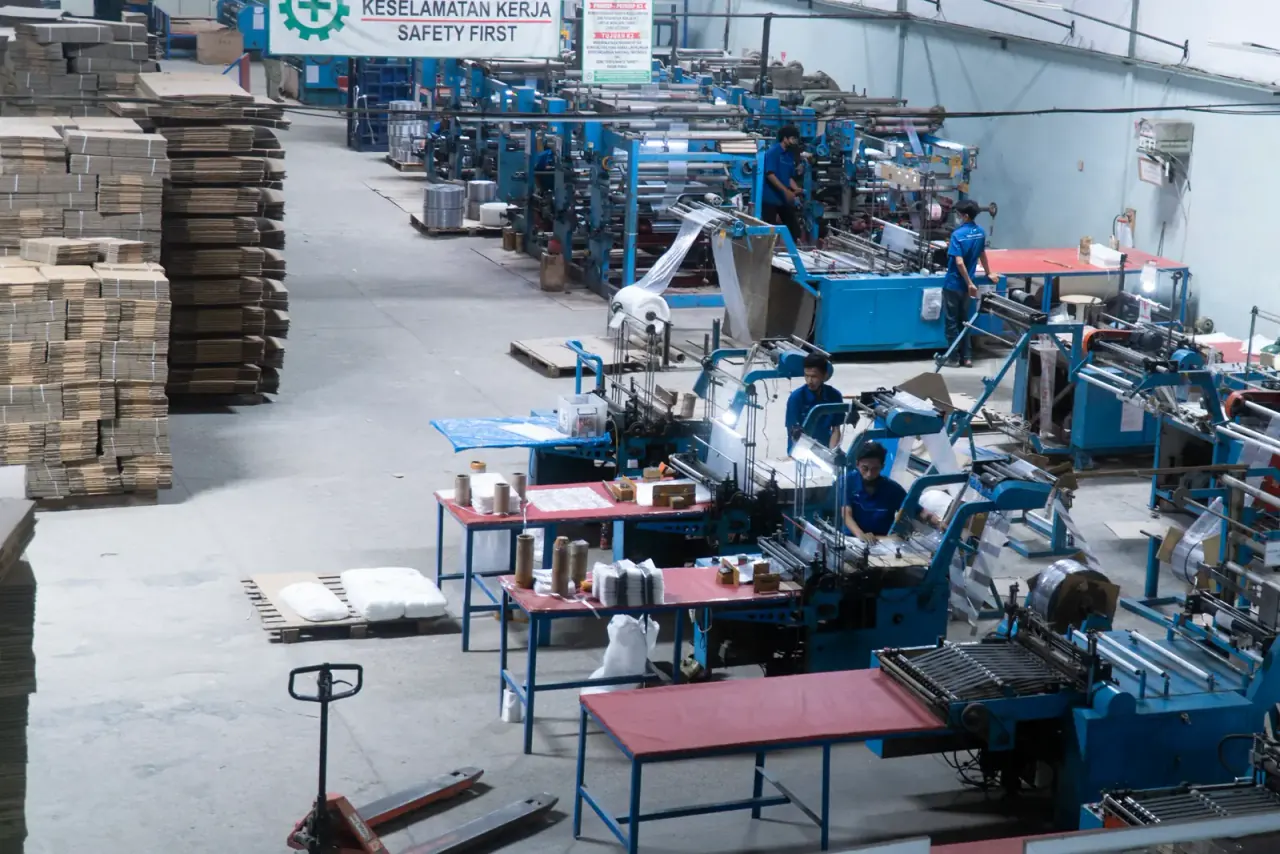
We run all three methods in-house, so the choice fits the order — not whatever machine happens to be available.

A JMP operator working a corrugated sheet.

Have a part to package?

Send a spec — we price it first.

A photo of the part and a rough monthly volume is enough to start. No technical drawing needed.