
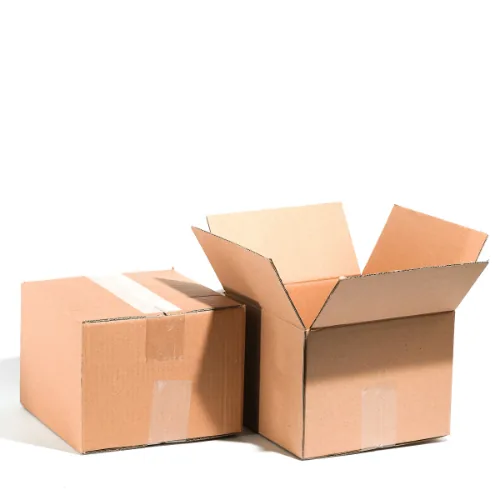
Carton Box Guide: Type, Material, and Process
Before you ask for a quote, get to know the three things that drive your box's shape, strength, and cost: its type, its material, and how we finish and print it.
01
Type: The Box Shapes We Can Make
Shape decides how the box carries load and how easily it assembles on your line. These are the ones we run most.
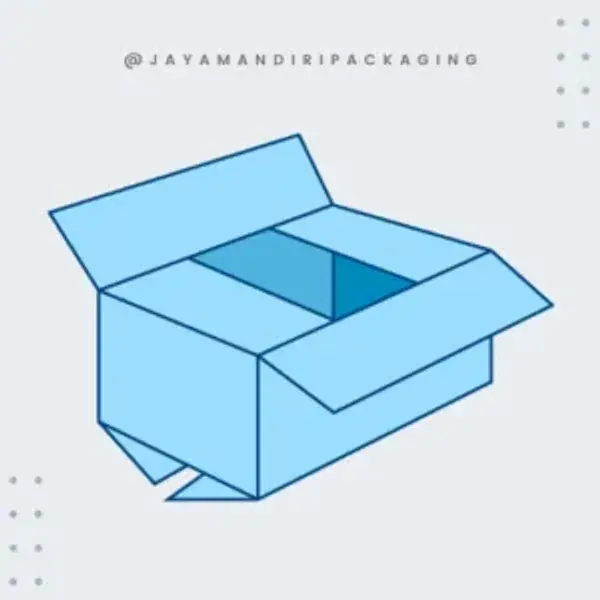
Regular Slotted Container (RSC)
Top and bottom flaps meet in the middle. The most common and most economical type. Right for most part-shipping needs.
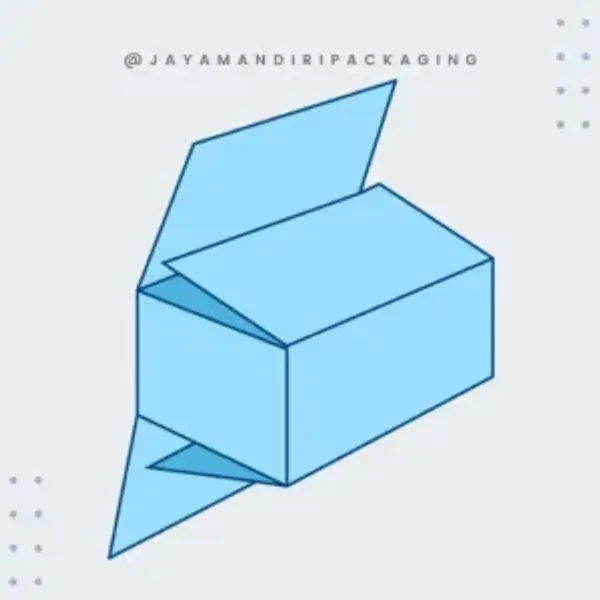
Overlap Slotted Container (OSC/FOL)
Flaps overlap rather than just meet. Stronger, tighter corners. For heavy parts or ones that need extra protection.
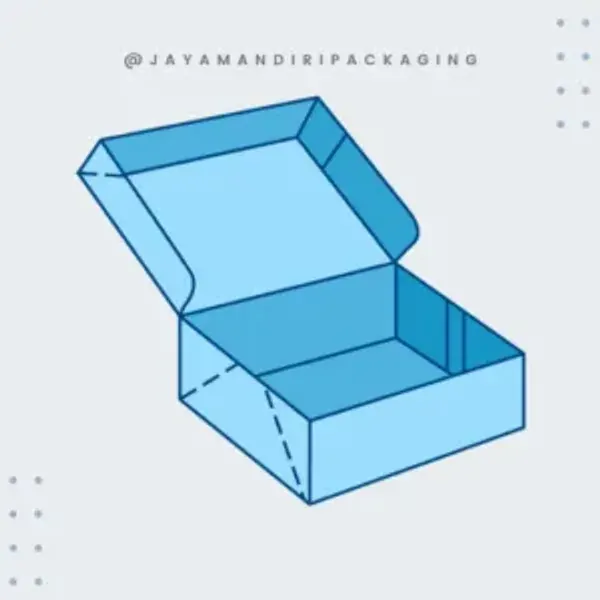
Die-cut / mailer
Cut with a custom die into any shape. Open and close without tape. Used for e-commerce, part kits, or packaging that needs to look tidy.
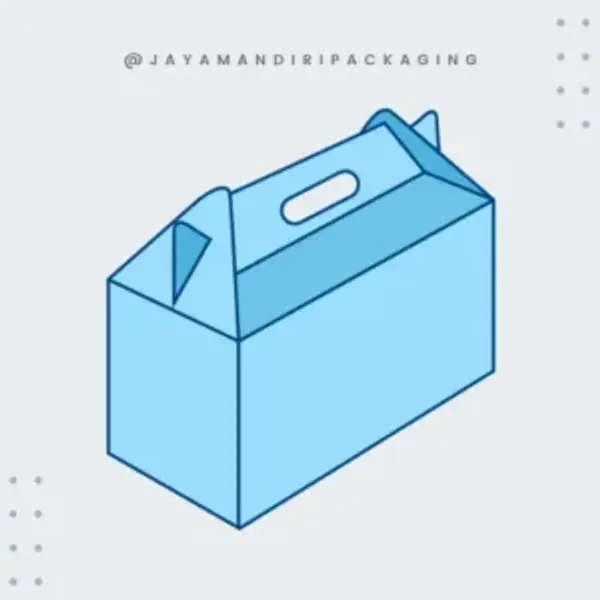
Gable box
A built-in handle in a roof-like shape. For boxes that get carried often, with no separate handle or strap needed.
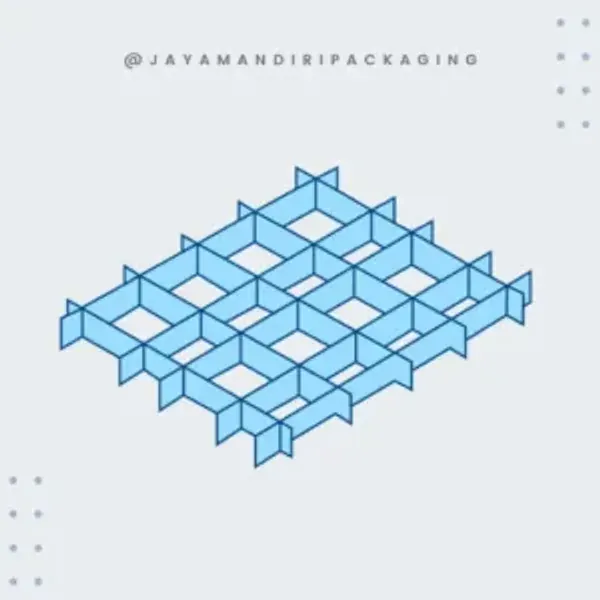
Partition / divider
Corrugated dividers inside the box that separate and hold each part so they don't knock together in transit. Not a box, but often what gets parts there intact.
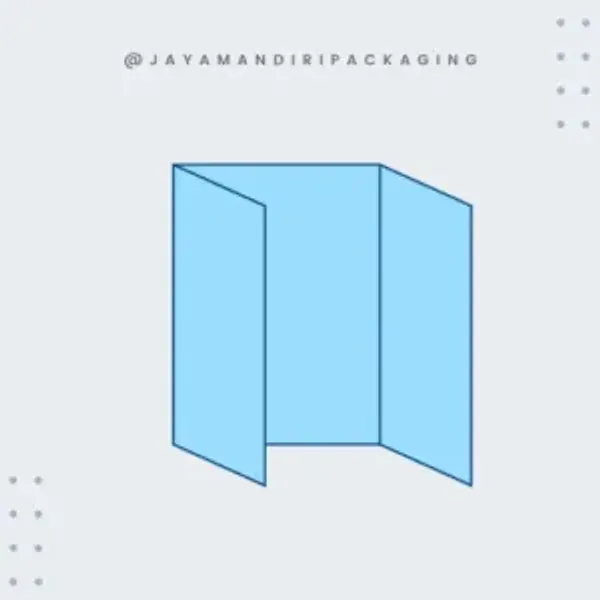
Layer pad
A corrugated sheet as a base or a separator between layers of parts inside the box. Simple, but it stops layer-on-layer abrasion.
These are the most common; there are more slotted, die-cut, and accessory variants. See the full types guide →
02
Material: What the Box Is Made of
Corrugated board isn't plain card. It has three layers: two liners (the flat outer and inner paper) sandwiching a wavy medium in between. That wave is what resists pressure and absorbs impact.
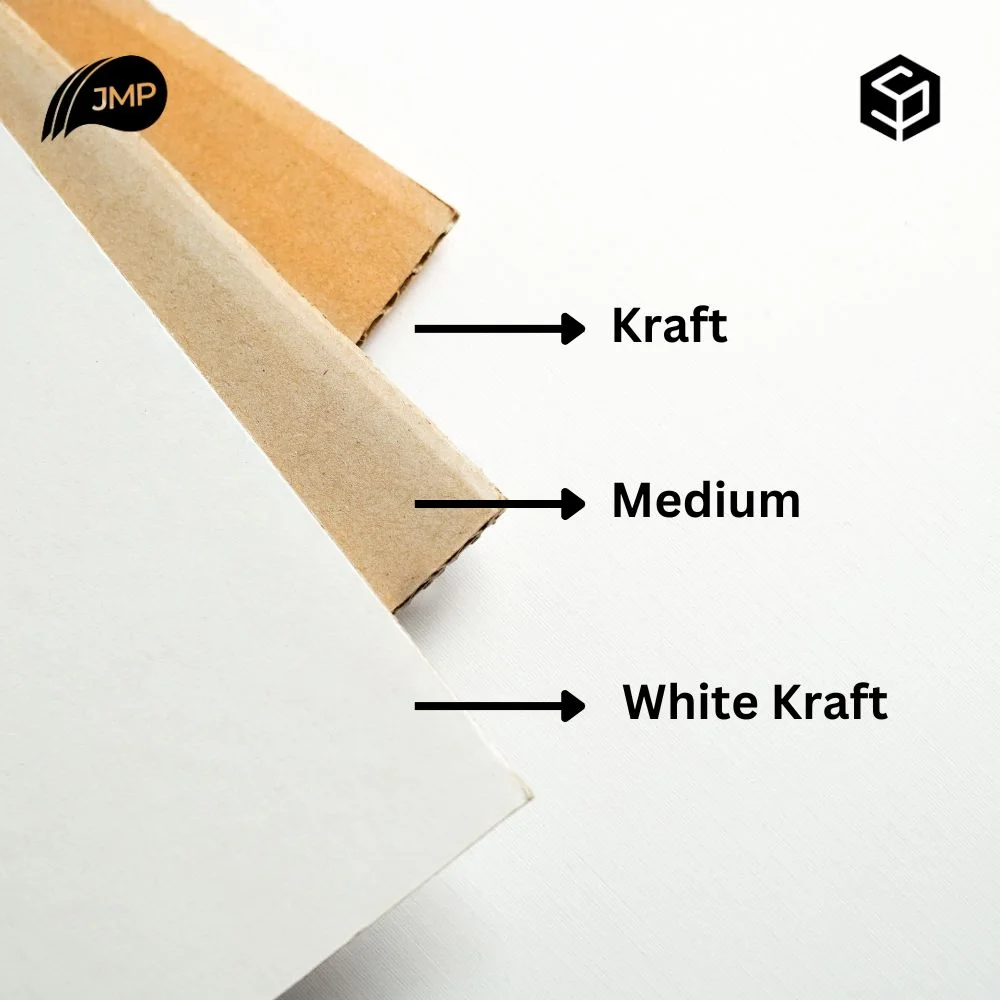
Kraft
Natural brown, visible wood fibre. Strongest and most economical. For industrial/functional needs.
White kraft
A clean white surface for a tidier look, strength on par with kraft. Used when the box needs to read premium.
Medium
The wavy paper in the middle, not visible from outside. The main driver of the box's structural strength.
Grammage (gsm)
Paper thickness is measured in grams per square metre (gsm). Higher gsm means stronger and pricier. But a higher gsm sometimes saves money by needing less total material. We set gsm from your part's weight and how it's stacked, not one number for all.
Flute Profile
Flute is the wave shape in the medium. Taller means thicker cushioning. But it costs more space and paper. The photo alongside shows it: from single wall to double wall, more layers means thicker board.
| Flute | Total board thickness (approx.) | Best for |
|---|---|---|
| E | ~1.5 mm | Small boxes, light parts, the smoothest print surface |
| B | ~3 mm | General boxes, crush & puncture resistance, single wall |
| C | ~4 mm | Medium–large boxes, better cushioning & stacking strength |
| BCdouble wall | ~7 mm | Heavy parts, high stacking, long-haul shipments |
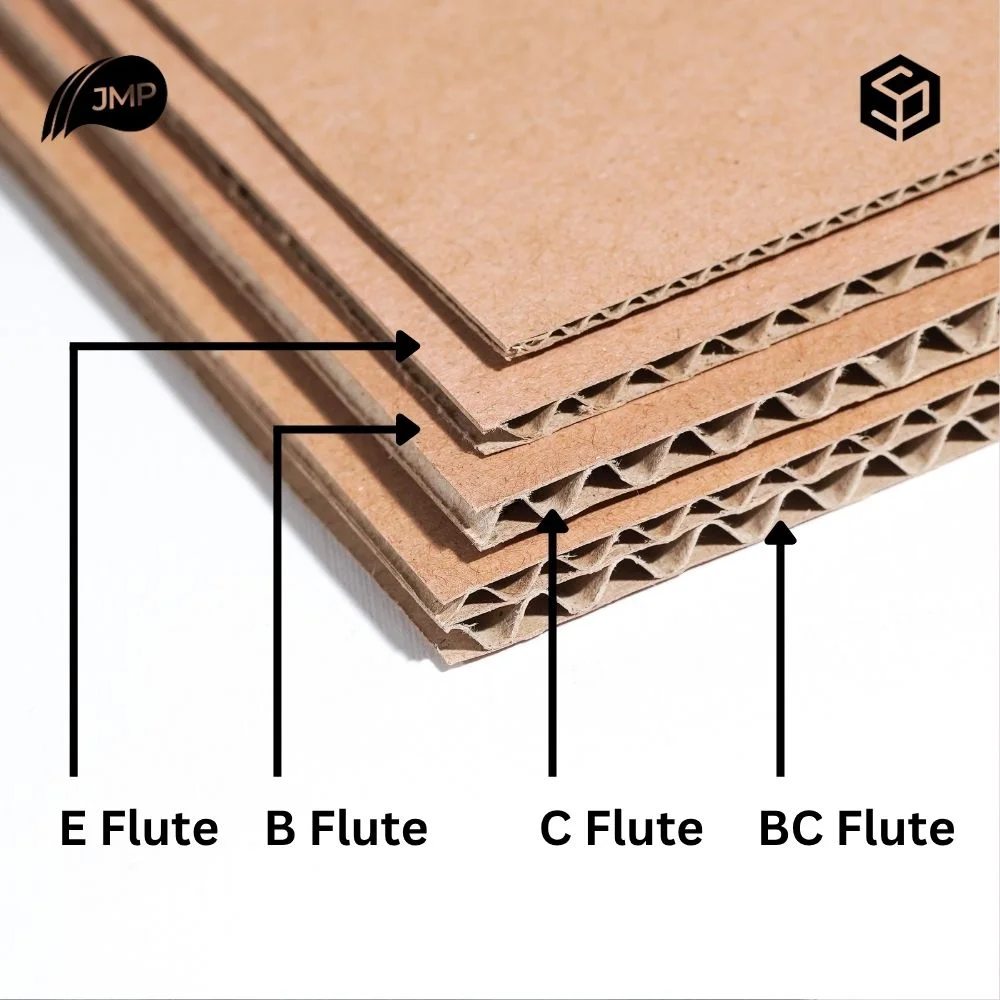
It depends on the box size and what it's for — in practice automotive parts most often land on C or BC; E and B are for small boxes, light parts, or a surface that has to stay clean for printing.
03
Process: Joining & Printing
Joining
Box sides are joined by wire stitching or glue. Stitching is stronger for large boxes and heavy loads; glue is cleaner and suits fully printed boxes.
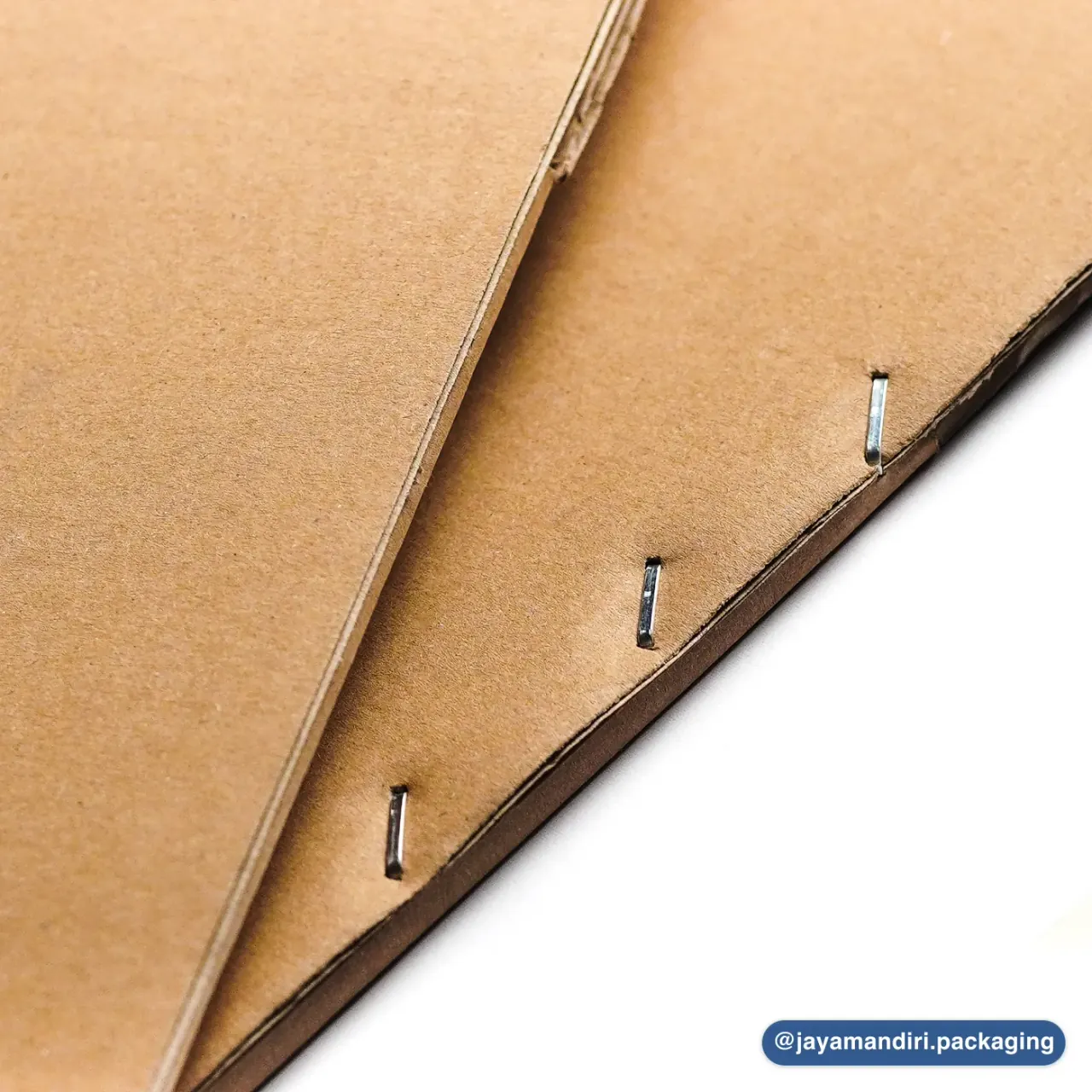
Wire stitching drives through and locks the flaps. Strongest for large boxes, heavy loads, and double wall. Glue gives a smooth surface with no protruding wire, tidier for fully printed boxes. We pick based on weight, part type, and whether the box needs to look clean.
Printing
Three methods, picked from volume, design complexity, and budget:
Screen printing
Rich colour, flexible for complex designs, economical at small–medium volume.
Slower, inefficient for mass production, quality varies by operator.
Flexo
At JMP: flexo up to 4 colours with a ceramic anilox + doctor blade for sharper, more consistent results.
Fast, low cost-per-unit at high volume. The pick for repeat orders like automotive parts.
High plate setup cost up front, less sharp for very fine detail; not economical for small runs.
Digital
Printed straight onto corrugated, no plates.
Minimal setup, quick design changes, good detail. Right for short runs and samples.
Higher cost-per-unit at high volume, slower than flexo for large quantities.
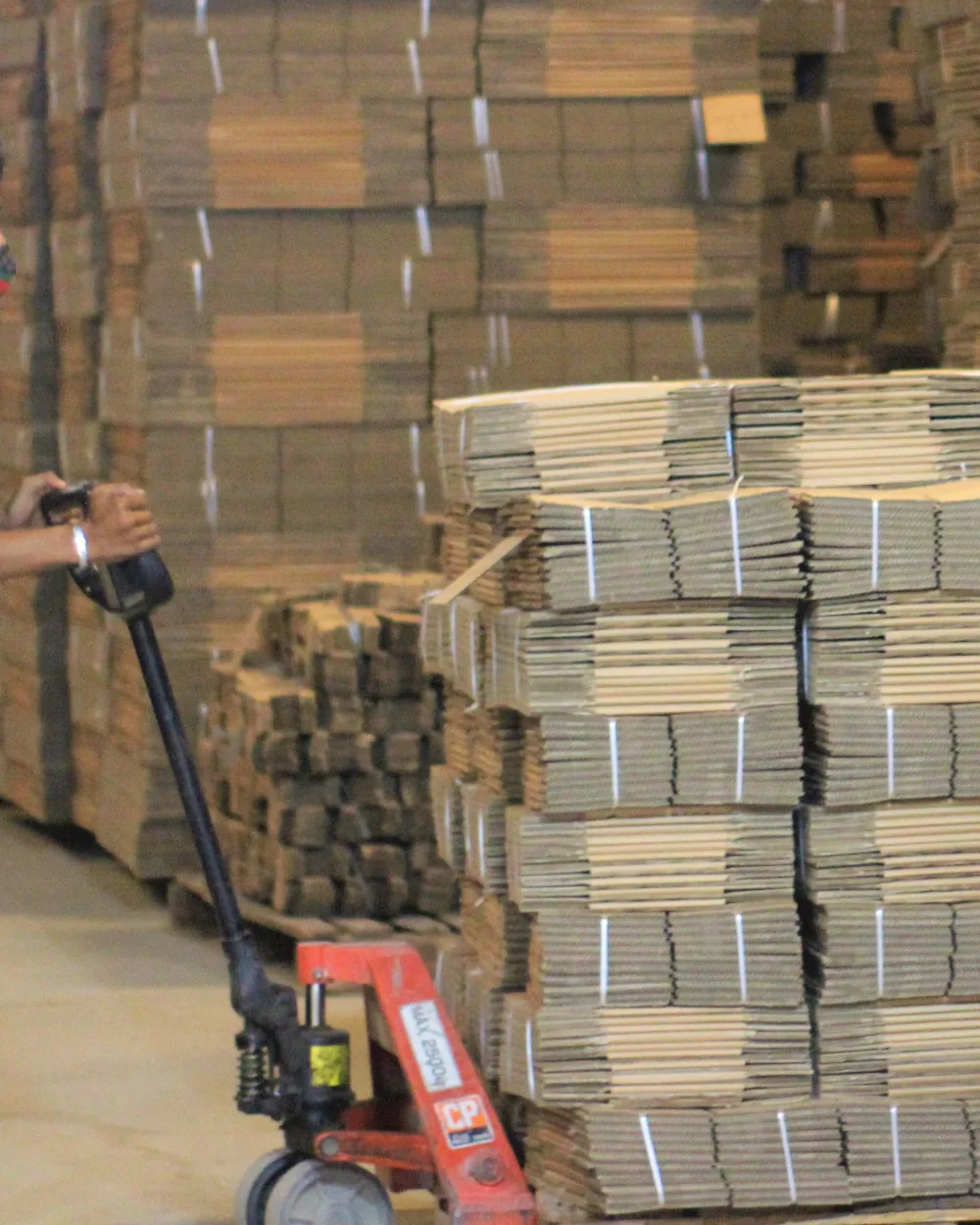
See it directly
What we make, under one roof.
Corrugated carton box and PE/PP polybag, built to your part spec — carton from 500 pcs, polybag 100–300 kg depending on spec.